

Depression4 min read
Riluzole Revealed: Could This ALS Drug Provide Hope for MDD?
Riluzole Revealed: Could This ALS Drug Provide Hope for MDD?
Read the storyThe library
Stories, perspectives, and small practices for being human.
Riluzole Revealed: Could This ALS Drug Provide Hope for MDD?
Read the story
Connection, comparison, sleep and support: a balanced look at social media and practical ways to make it work better for you.
Read the story
What human trials suggest about probiotics, depression and anxiety—and how to make sense of strains, product labels and safety.
Read the story
How B12 supports the nervous system, when low levels may matter for mood and concentration, and what testing and treatment can offer.
Read the story
A clearer look at the sleep and depression research behind seltorexant, how it targets wakefulness, and where its potential fits.
Read the story
What an early depression trial revealed about a selective NMDA-receptor approach, why traxoprodil's development stopped, and how its research legacy continues.
Read the story
How milnacipran works, what depression and anxiety studies suggest, and the benefits and trade-offs worth discussing with your prescriber.
Read the story
Why clozapine can help when other treatments have not, how it works, and what a practical monitoring and side-effect plan should include.
Read the story
A clear look at paliperidone: how it works, the differences between tablets and injections, and the benefits and side effects worth discussing.
Read the story
How olanzapine and samidorphan work together, what the weight-gain studies actually found, and the safety questions worth discussing.
Read the story
How lumateperone affects serotonin, dopamine, and glutamate signaling, what its studies show, and how it compares with other atypical antipsychotics.
Read the story
A closer look at Churchill's 'black dog,' the creative outlets he valued, and what his story can offer without turning history into a diagnosis.
Read the story
Lincoln's letters reveal profound distress—and the importance of friendship, connection, and a life larger than its hardest moments.
Read the story
How sublingual asenapine works, where it fits in schizophrenia and bipolar I disorder, how it compares with alternatives, and what its depression research suggests.
Read the story
A practical look at lurasidone's benefits, trade-offs, and role in schizophrenia and bipolar depression—including what its MDD research does and does not show.
Read the story
How mirtazapine's histamine, alpha-2, and serotonin-receptor actions affect sleep, what newer insomnia trials show, and the trade-offs worth discussing.
Read the story
How ramelteon works through melatonin receptors and the brain's circadian clock, what it can offer for difficulty falling asleep, and how to use it safely.
Read the story
Beyond a simple chemical imbalance: what genes, synapses, dopamine, glutamate, inhibitory circuits, and brain networks reveal about schizophrenia—and what those findings mean for care.
Read the story
How zuranolone works through GABA-A receptors, what its postpartum depression trials show, and what to know about a 14-day treatment course.
Read the story
A thoughtful look at creativity and mental illness—and how artistic expression can support emotional release, self-understanding, confidence, connection, and coping.
Read the story
When depression has not improved with treatment, there are still options. A clearer look at reassessment, next-step treatments, and coping along the way.
Read the story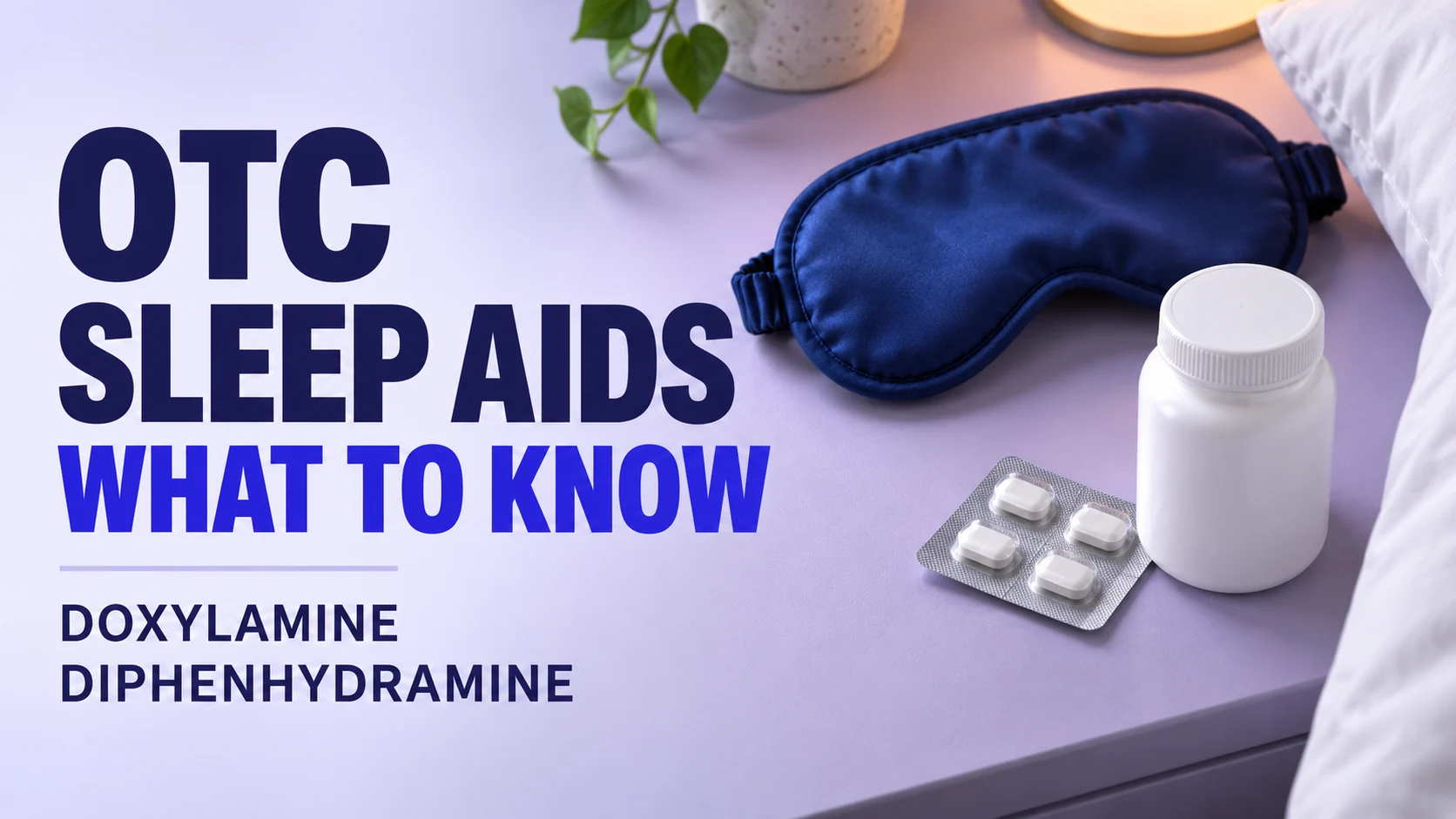
A practical guide to two common antihistamine sleep aids, how to read the label, and where melatonin, supplements, and longer-term insomnia care fit.
Read the story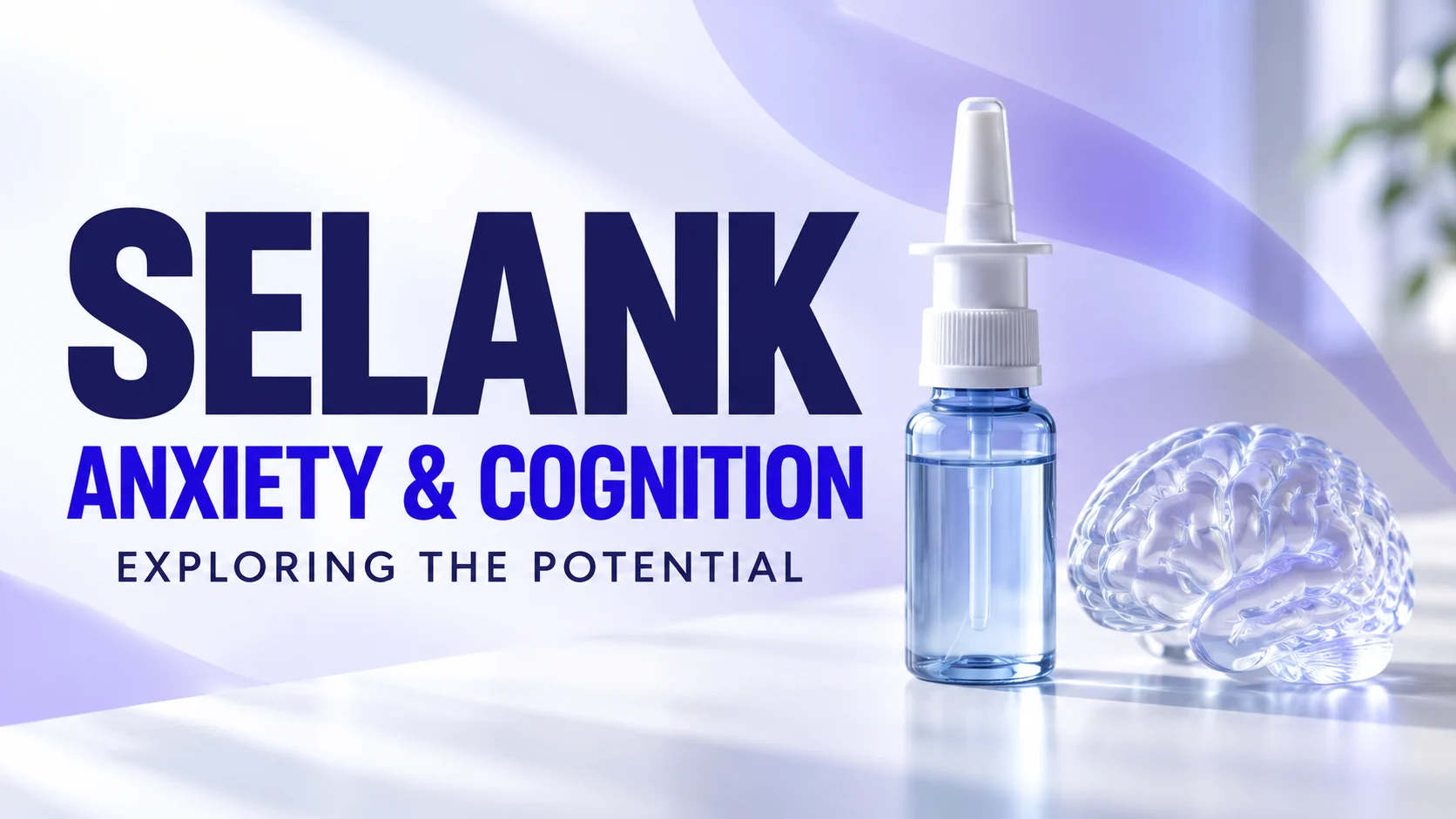
A hopeful look at the human anxiety studies, the science behind Selank’s proposed effects, and the practical questions worth asking.
Read the story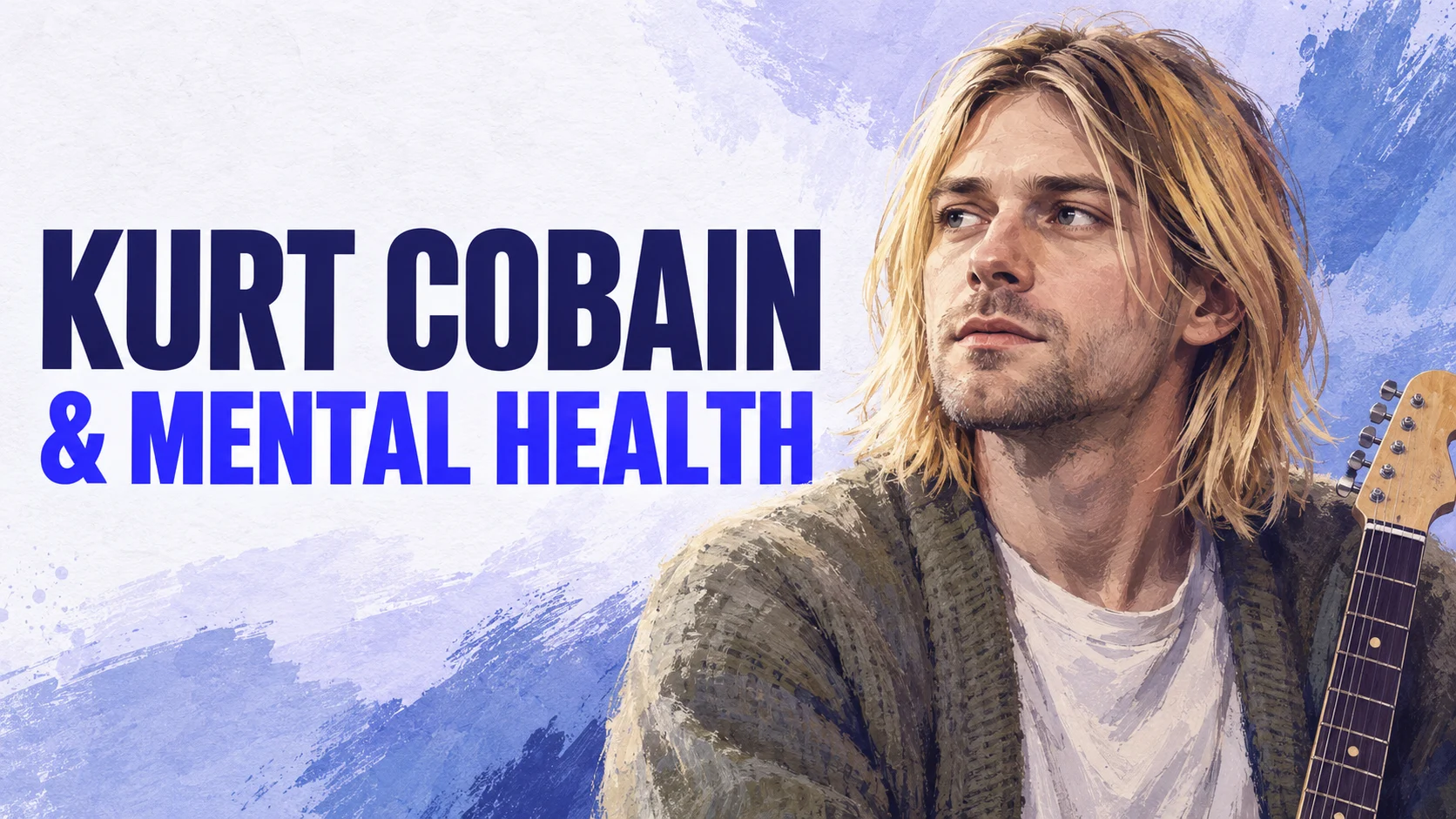
A compassionate look at Cobain’s public reflections on pain, addiction, and fame—and what they can help us understand about seeking support.
Read the story
Why depression symptoms can return during treatment, what to review with your prescriber, and the options for finding relief again.
Read the story
What to know about prolonged erections, medication-related risks, and why getting help promptly matters.
Read the story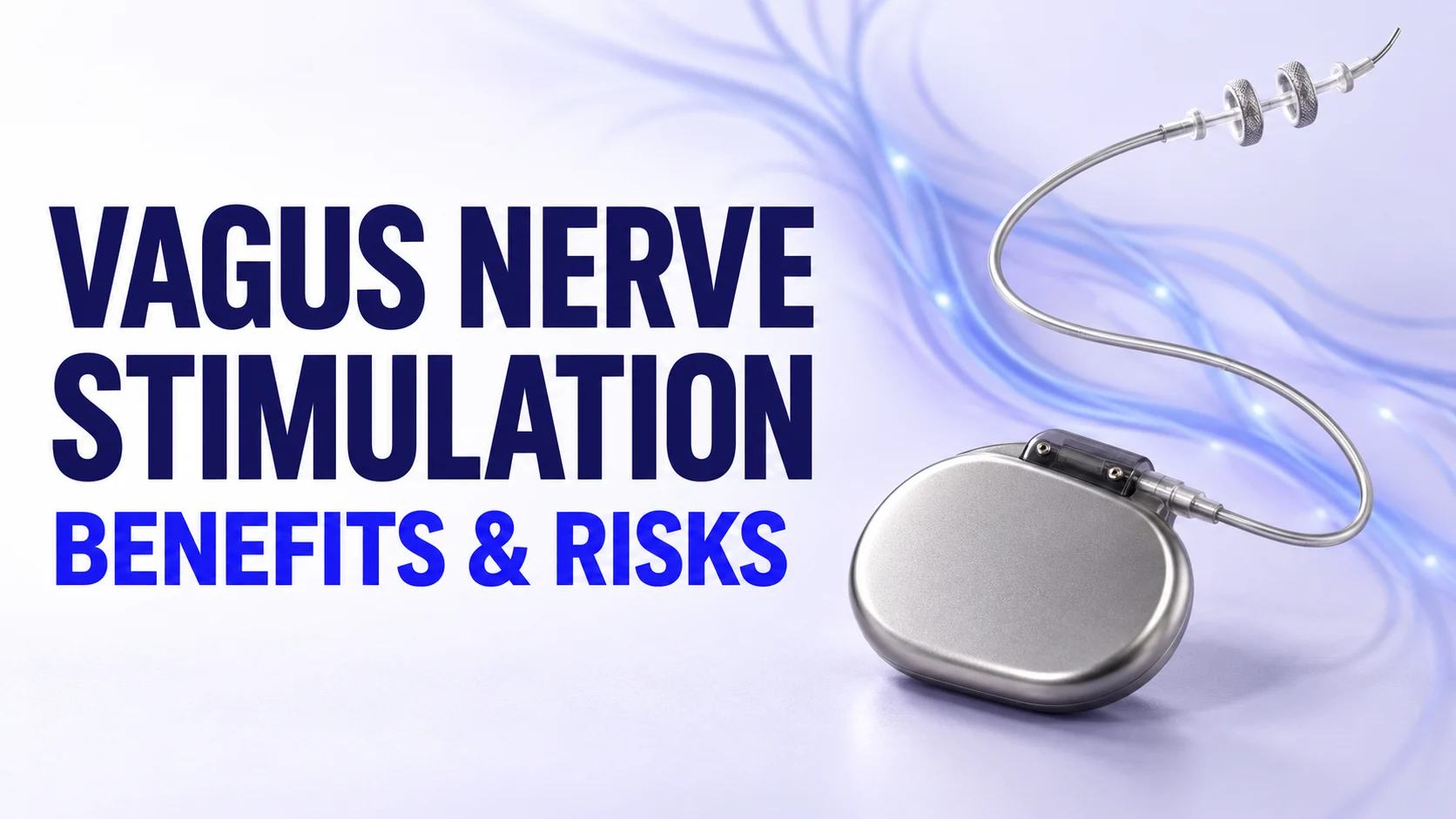
A practical guide to implanted VNS, its role in difficult-to-treat depression and epilepsy, and how it differs from noninvasive approaches.
Read the story
Racing thoughts and restless nights can happen with both. Look at the wider pattern of sleep, mood, activity, and judgment—not one symptom alone.
Read the story
What feeling disconnected can mean, how dissociative disorders differ, and the treatment and everyday support that can help.
Read the story
Trouble reaching orgasm or changes in desire can happen with antidepressants. Here are practical ways to discuss side effects while protecting your mental health.
Read the story
How Depakote can help with bipolar mania, where it fits in longer-term care, and what to know about side effects and monitoring.
Read the story
Explore what self-actualization means, how Maslow’s ideas apply to everyday life, and practical ways to grow toward what matters to you.
Read the story
Recognize common thinking traps, understand how they affect your mood, and learn practical ways to respond with more balance and self-compassion.
Read the story
What is Lithium? Lithium is a medication that belongs to the class of mood stabilizers. It is used to treat bipolar disorder, a condition that involves episodes of depression and/or mania. Bipolar disorder can cause sig...
Read the story
A hopeful, evidence-aware look at Semax: human findings, neuroplasticity research, safety questions, and the 2026 FDA debate.
Read the story
Understand the difference between nightmares and night terrors, what may trigger them, and the steps that can help you sleep with greater confidence.
Read the story
What magnesium may offer for anxiety, where the research is encouraging, and how to consider it safely.
Read the story
A clear look at bupropion, why it can be a valuable option for some people, and one person's experience with it.
Read the story
A practical, evidence-aware guide to sertraline, including how it works, what it can help with, and what to monitor.
Read the story
SSRIs are among the most widely used mental-health medications. Their name describes one immediate action in the brain, but their benefits, limitations, and side effects are more complex than the familiar chemical-imbalance story suggests.
Read the story
A hopeful, practical look at escitalopram: what it can help with, how improvement may feel, and what to monitor.
Read the story
A concise guide to creatine's brain-energy effects, early clinical findings, and the questions that still matter.
Read the story
A concise guide to curcumin’s possible mood benefits, what clinical studies suggest, and the safety questions worth discussing.
Read the story
A clearer guide to persistent fatigue, anxiety, stress physiology, and the medical conditions that deserve evaluation.
Read the story
Acamprosate is approved to support alcohol abstinence. Small studies have explored anxiety benefits, but it is not an established anxiety treatment.
Read the story
Aniracetam is a racetam compound studied mainly in laboratory settings. Here is what is known about its possible effects, uncertainty, and safety concerns.
Read the story
Ashwagandha may help stress and anxiety for some people, but the supplement’s benefits, limits, and safety considerations matter.
Read the story
Baclofen acts on GABA-B receptors and may reduce anxiety for some people, but its use for anxiety is off-label and requires careful medical supervision.
Read the story
D-cycloserine is a medication that has gained attention in recent years for its potential use in the treatment of mental health disorders. Originally developed as an antibiotic, d-cycloserine has been found to have effects on the brain that may be beneficial in treating conditions such as anxiety, depression, and post-traumatic stress disorder (PTSD).
Read the story
A clear, compassionate guide to how ECT works, when it may help severe depression, and what to ask about memory, safety, and follow-up care.
Read the story
A realistic account of medication-related weight gain, plus practical options worth discussing with a knowledgeable clinician.
Read the story
Trazodone is often prescribed off-label for sleep. In this article we discuss everything you need to know including withdrawal symptoms and side effects.
Read the story
Benzodiazepines (like Ativan) are some of the most commonly used medications for anxiety. They can lead to addiction and cause significant harm. Learn more.
Read the story
A clear, hopeful guide to how vilazodone is used for depression, what the evidence says, and what to discuss with your prescriber.
Read the story
When more than one medication is part of mental-health care, a thoughtful review can help balance benefit, safety, and day-to-day burden.
Read the story
A clear guide to what pharmacogenomic tests can reveal, what current research suggests, and how to discuss results with your prescriber.
Read the story
How inherited vulnerability, life experiences, and biology can combine to shape depression risk—and why genes are not destiny.
Read the story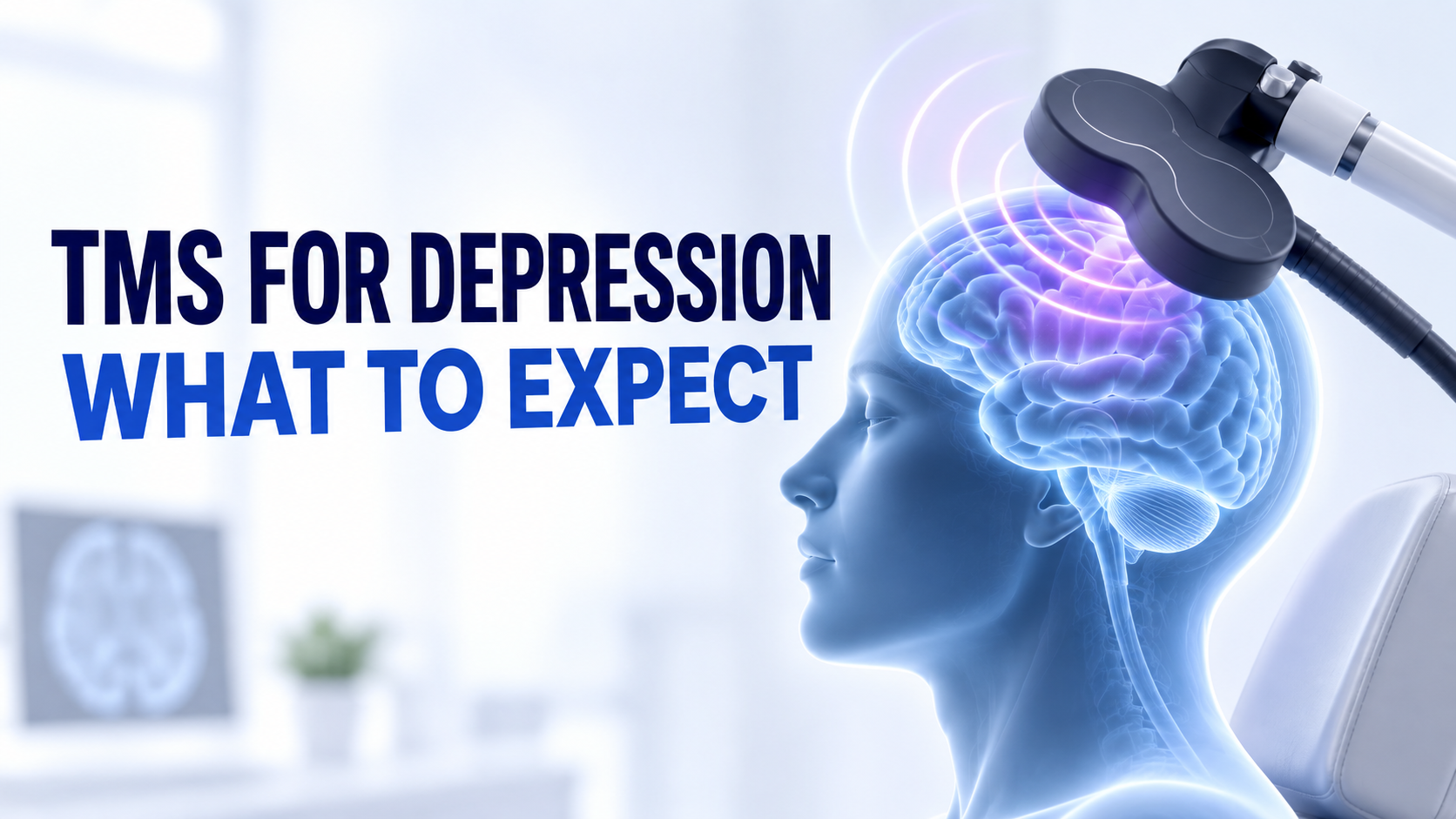
A practical, evidence-aware guide to how transcranial magnetic stimulation works, what a treatment course can involve, and what to discuss with your care team.
Read the story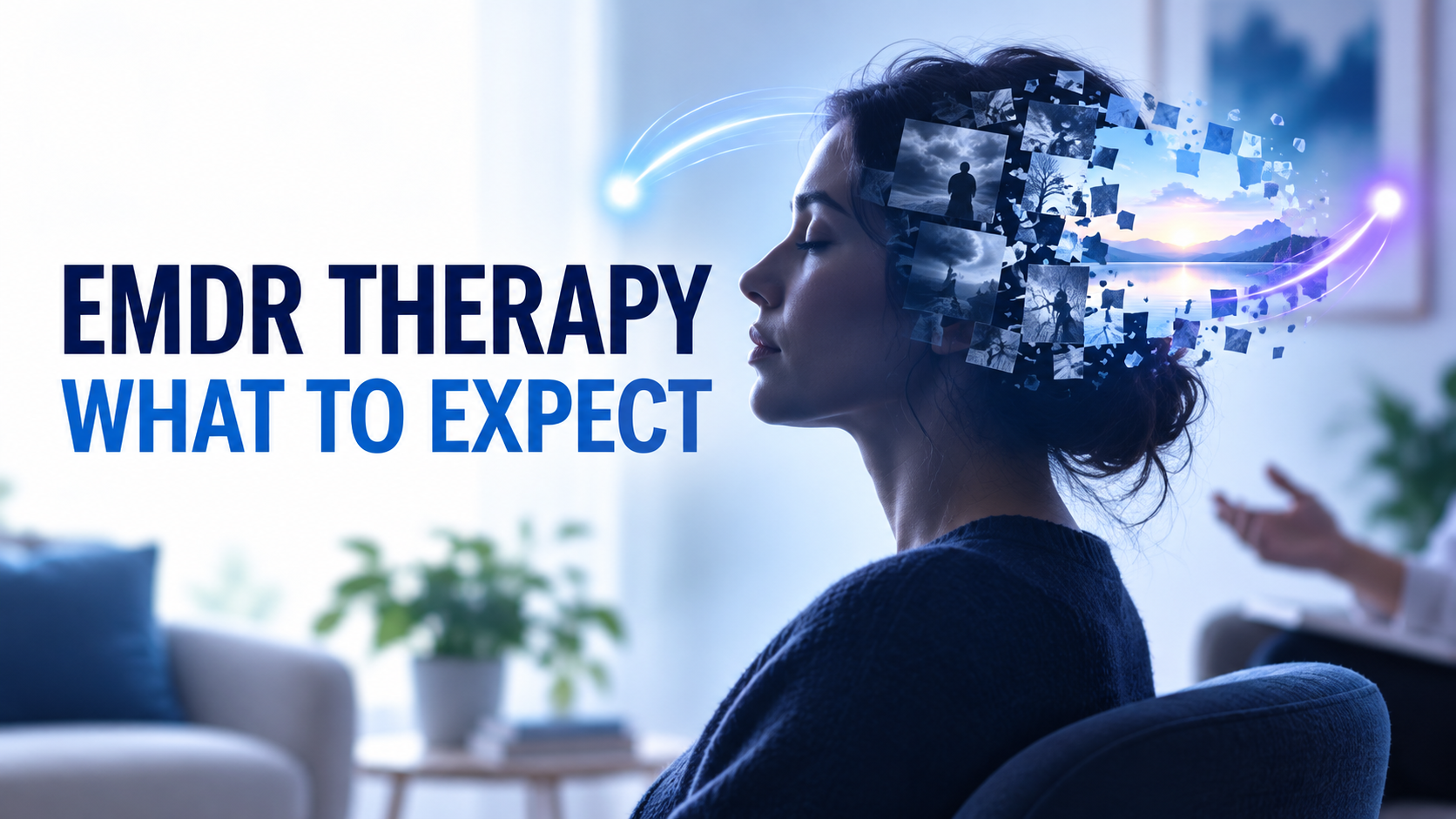
A hopeful, evidence-aware guide to EMDR for PTSD—how sessions work, what research supports, and one person’s experience.
Read the story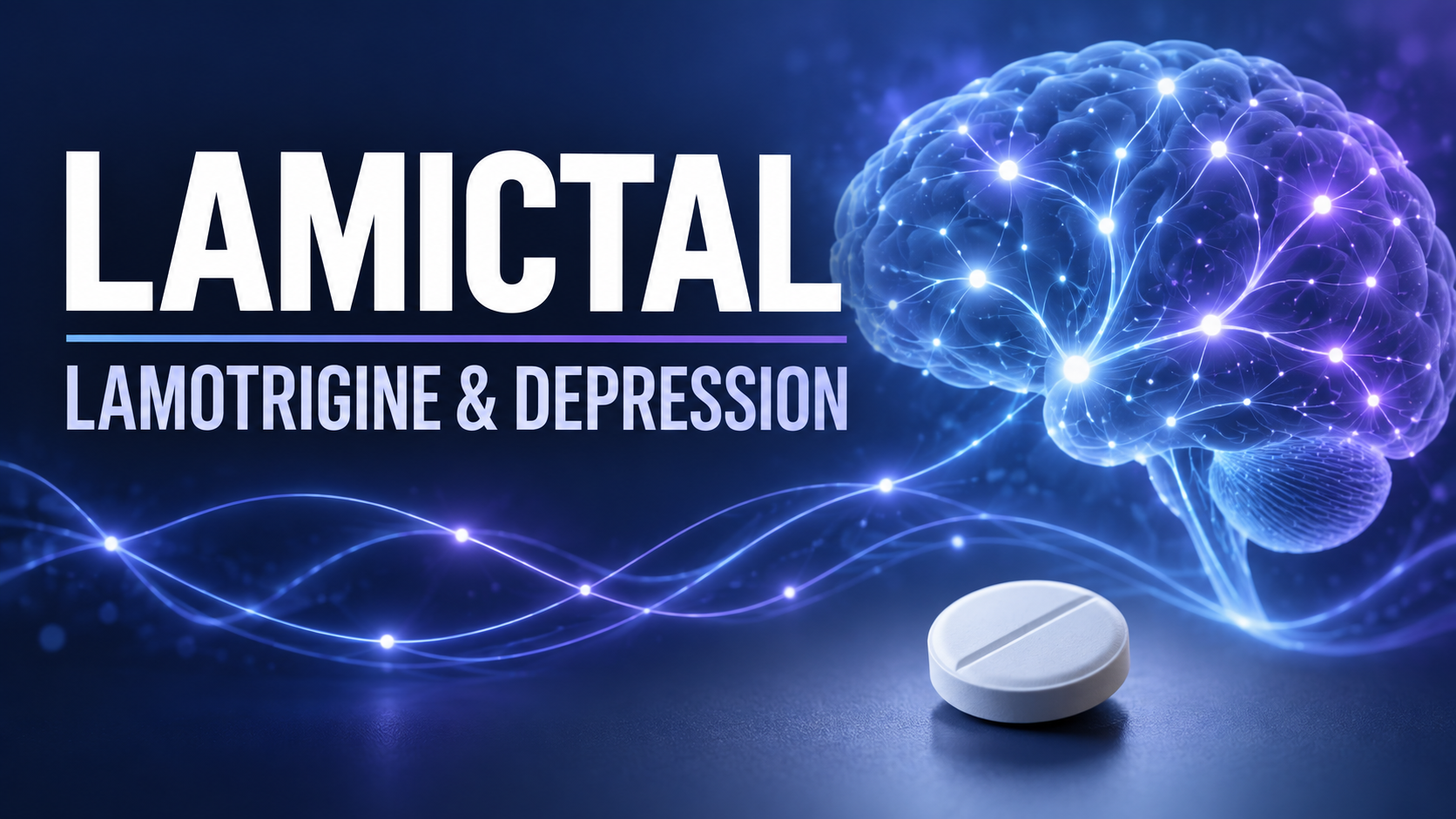
A clear, hopeful guide to lamotrigine: its established role in bipolar care, what researchers are exploring for unipolar depression, and the safety details to discuss with a prescriber.
Read the story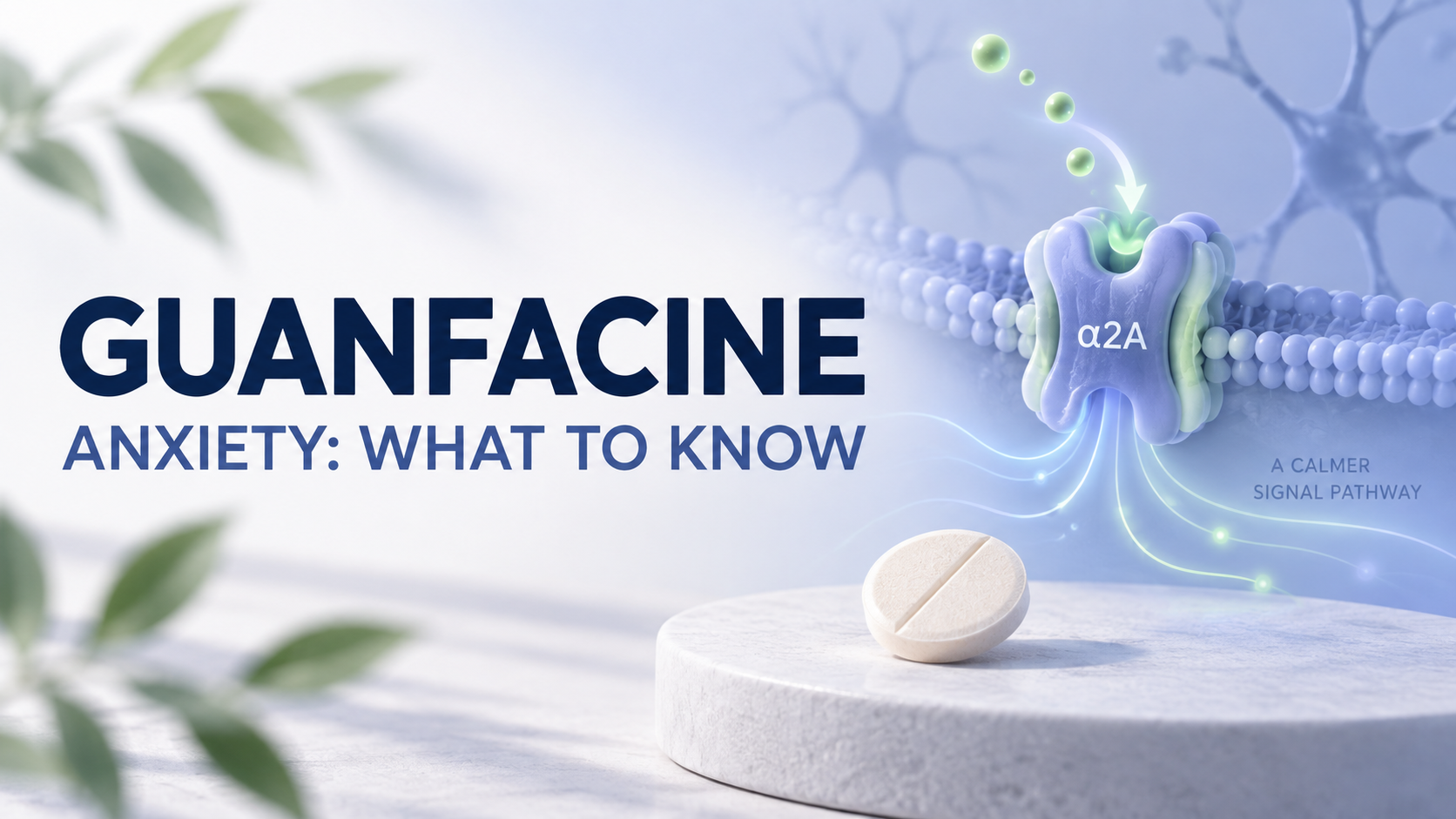
What guanfacine is known to treat, what early research says about anxiety, and the safety points to review with a prescriber.
Read the story
Tryptophan is an essential amino acid found in everyday foods. Here’s what that means for anxiety, what remains uncertain about supplements, and how to think about safety.
Read the story
A practical, evidence-aware guide to esketamine for treatment-resistant depression: who may be considered, what a supervised visit involves, and what benefits and risks to discuss.
Read the story
A clear guide to common sleep medicines, how they differ, what to ask about benefits and risks, and why CBT-I is an important option for lasting insomnia relief.
Read the story
A clear, practical look at ketamine and esketamine for depression: how they differ, what the evidence suggests, and what to discuss with a clinician.
Read the story
Why stressful seasons can spill into sleep, what may help, and when recurring nightmares deserve extra support.
Read the story
Starting an SSRI and wondering when to expect a difference? Here’s a realistic timeline, what to watch for, and when to check in with your prescriber.
Read the story
Photobiomodulation uses red or near-infrared light. Could it support better sleep? Early studies are interesting, but the evidence and practical questions deserve a closer look.
Read the story
A clear look at how zaleplon may help with falling asleep, what its evidence and risks show, and what to discuss with your prescriber.
Read the story
What are Omega-3 Fatty Acids? Omega-3 fatty acids are a type of polyunsaturated fat found in foods and dietary supplements. There are three main types of omega-3 fatty acids that are ingested in the diet: - Alpha-lino...
Read the story
What catatonia can look like, why prompt medical assessment matters, and how treatment can help.
Read the story
Depression does not always look the way we expect. Understanding atypical features can help you recognize your symptoms and explore care that fits.
Read the story
What is Anhedonia?
Read the story
A closer look at rejection distress, a small brain-imaging study, and the hopeful role of treatment and support.
Read the story
A careful look at what NF has shared about therapy, OCD, and turning difficult experiences into music.
Read the story
Understand how CPTSD differs from PTSD, what support can look like, and why recovery can include more than simply reliving the past.
Read the story
From the history of lobotomy to rare, highly specialized neurosurgical procedures today: what psychosurgery means, where it may be considered, and why safeguards matter.
Read the story
How automatic thoughts, learned habits, and memories can shape everyday experience—and how greater awareness can open room for change.
Read the story
A clear guide to Erik Erikson’s eight psychosocial stages—and how they can offer perspective without defining anyone’s future.
Read the story
A clear, balanced guide to how valproate may help with mania, what monitoring involves, and the important safety questions to discuss with a prescriber.
Read the story
Psychiatric medication is one valid care option—not a measure of your strength, worth, or character. Here’s how to think about treatment without shame or pressure.
Read the story
A practical guide to creating a little space between you and a racing thought.
Read the story
Depression and insomnia often go hand in hand, with one exacerbating the other.
Read the story
Small scripts for starting an honest conversation with someone you trust.
Read the story
Our value comes from within us. It doesn't come from what's around us.
Read the story
Antidepressants can sometimes make depression worse or cause suicidal thoughts. This is a personal account of that experience.
Read the story
Use your senses to reconnect with the room, your body, and this moment.
Read the story
Neuroplasticity is a term that describes the brain’s ability to change and adapt in response to various experiences, challenges, and stimuli.
Read the story
Men are often expected to be strong, stoic, and independent. But these cultural norms can have a negative impact on their mental health and well-being.
Read the story
Anxiety disorders are a group of mental health conditions characterized by excessive and persistent feelings of anxiety and fear.
Read the story
Depression is a vicious cycle that, once started, can be incredibly difficult to break out of.
Read the story
Online therapy and mental health sites offer convenient and accessible options for receiving help with mental health issues.
Read the story
Bipolar disorder, also known as manic depression, causes extreme and unpredictable changes in mood, energy, activity levels and concentration.
Read the story
Seasonal affective disorder, often referred to as SAD or seasonal depression, is a mood disorder characterized by depression that occurs at the same time every year.
Read the story
Beta blockers are often used off label for anxiety disorder, particularly things like social anxiety disorder, because they're good medications that take away the symptoms of anxiety.
Read the story
Buspirone is primarily used for generalized anxiety disorder and works differently from antidepressants, benzodiazepines, gabapentin, and beta blockers.
Read the story
Trintellix is an SSRI that also works on other serotonin receptors and was approved for depression treatment in the United States in 2013.
Read the story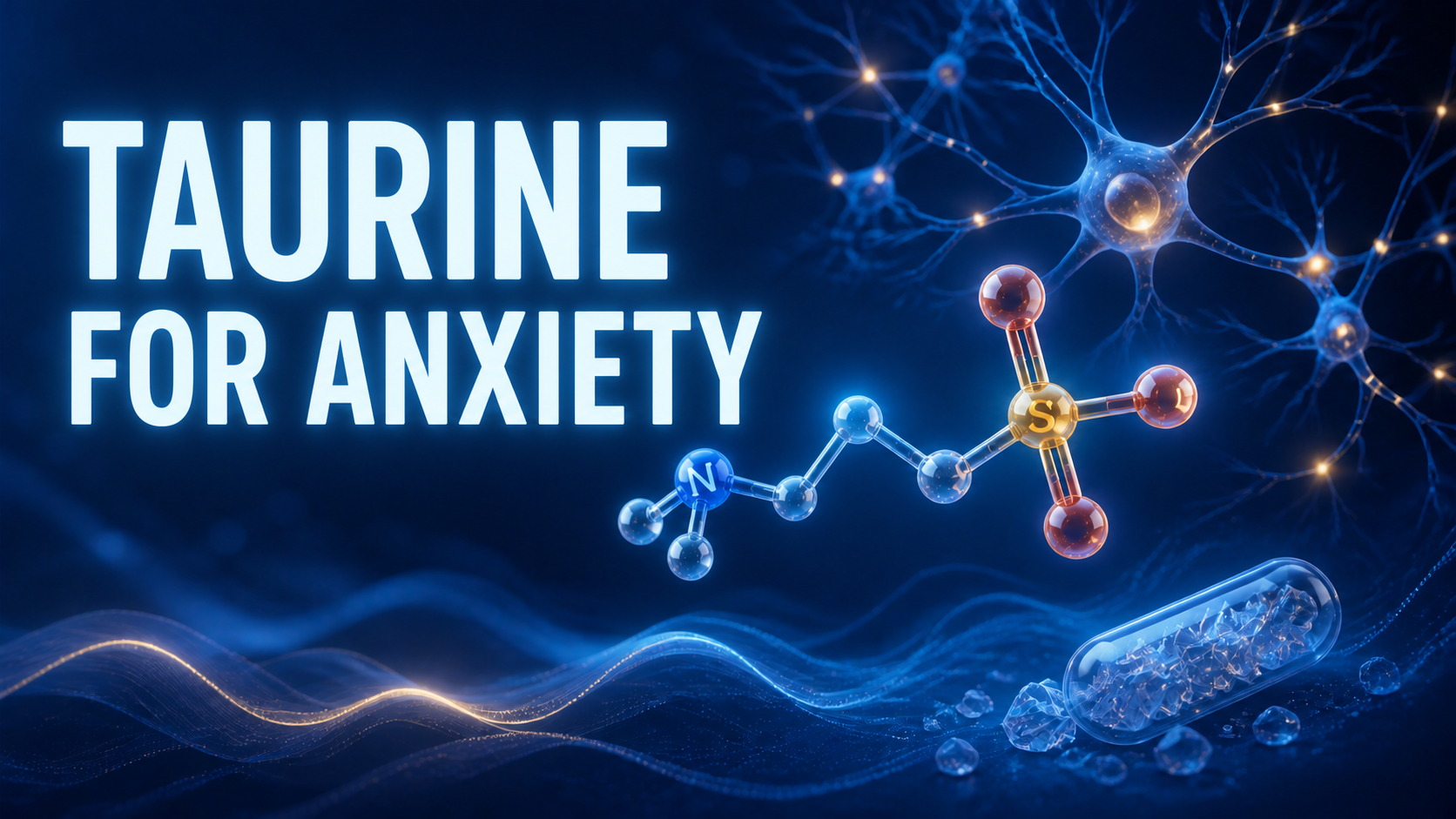
Taurine is an amino acid found in many foods and energy drinks that may help tone down the excitatory neurotransmitter glutamate.
Read the story
Paxil (Paroxetine) is a selective serotonin reuptake inhibitor used to treat anxiety and depression, as well as other conditions.
Read the story
Celexa is an SSRI antidepressant that increases serotonin in the synaptic cleft by blocking the serotonin reuptake transporter.
Read the story
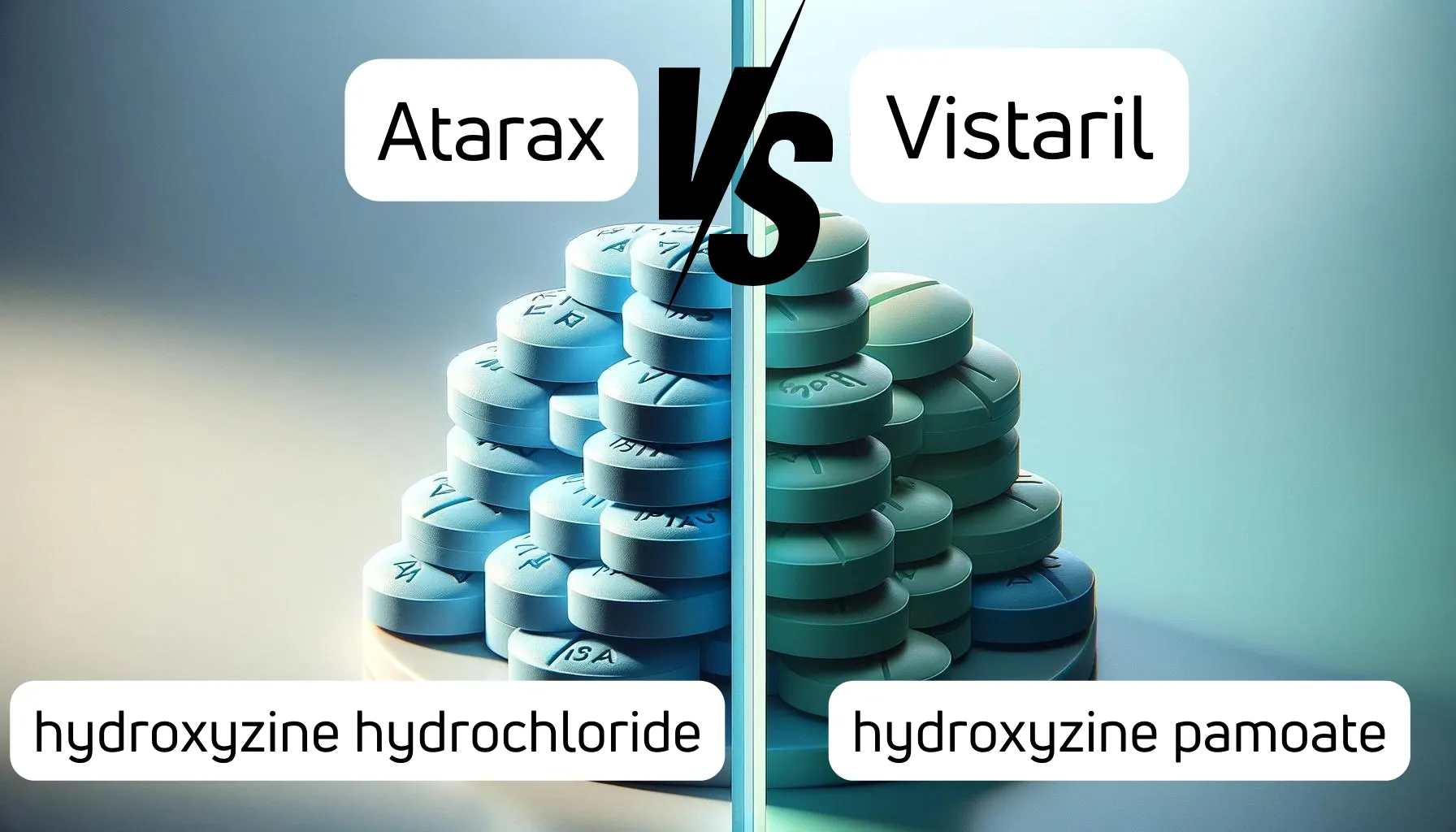
Hydroxyzine is an antihistamine used for anxiety, itching, nausea, and insomnia.
Read the story
Clonidine is a prescription medication used off-label for anxiety, PTSD symptoms, insomnia, and related conditions.
Read the story
Gabapentin is an anticonvulsant used mainly for seizures and nerve pain, but it can also be prescribed off-label for anxiety.
Read the story
Gabitril is a seizure medication sometimes prescribed off-label for anxiety and panic disorder.
Read the story
Pregabalin is an antiepileptic medication used off-label for generalized and social anxiety disorders.
Read the story
Cymbalta (duloxetine) is an SNRI used for depression, anxiety, fibromyalgia, and chronic pain.
Read the story
Effexor is an SNRI used for depression, anxiety, panic disorder, social anxiety, chronic pain, and hot flashes.
Read the story
Fetzima (levomilnacipran) is an SNRI medication used to treat major depressive disorder.
Read the story
Luvox (fluvoxamine) is an SSRI used primarily to treat obsessive-compulsive disorder.
Read the story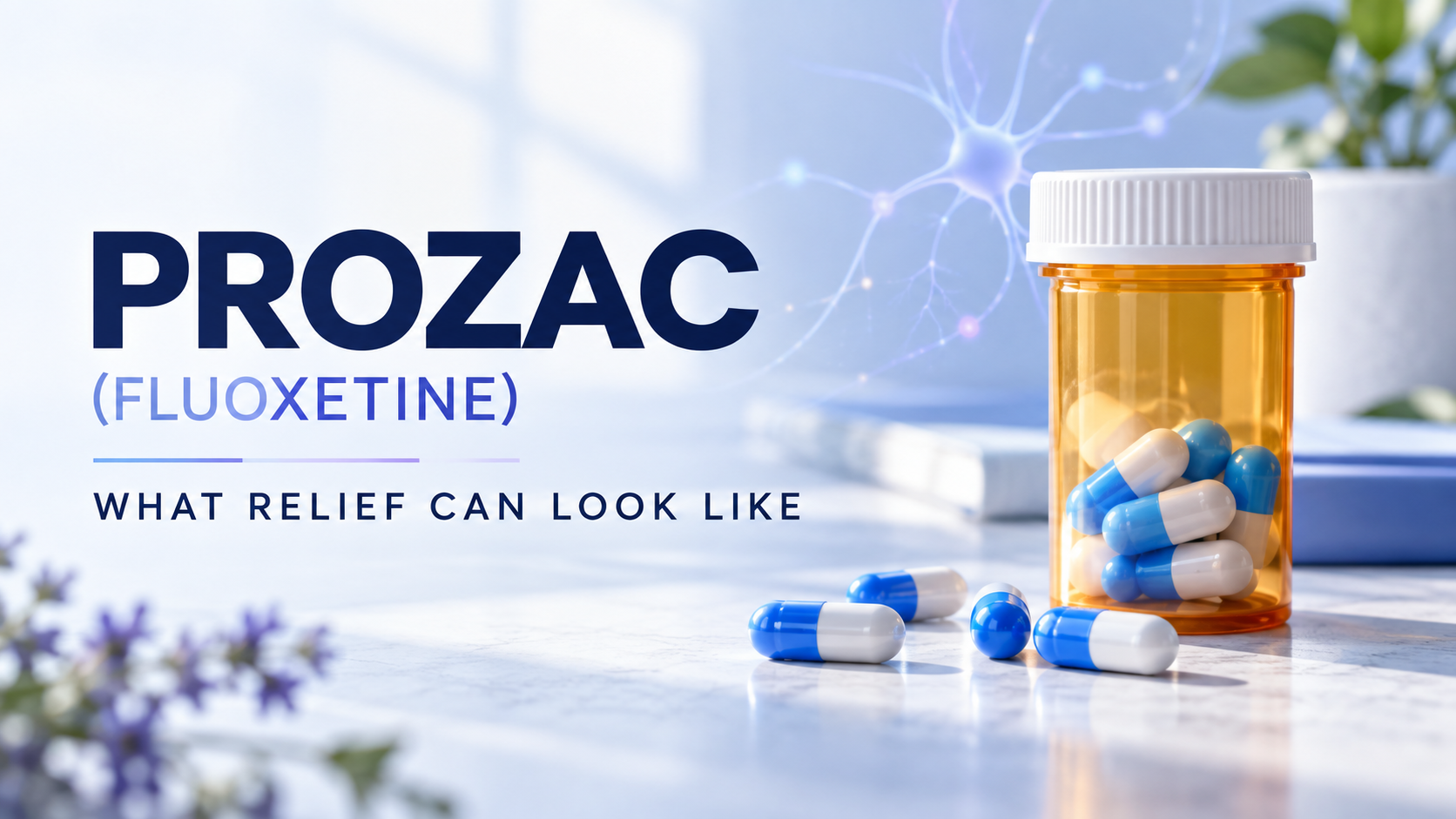
Prozac (fluoxetine) is an SSRI used for depression, OCD, bulimia nervosa, panic disorder, and more.
Read the story
Abilify is an atypical antipsychotic used for bipolar disorder and schizophrenia and as an add-on depression treatment.
Read the story
Auvelity combines dextromethorphan and bupropion in a novel antidepressant formulation.
Read the story
Deplin is a prescription medical food containing L-methylfolate used alongside antidepressants and antipsychotics.
Read the story
What is it?
Read the story
Introduction
Read the story
Introduction
Read the story
Many suffering from anxiety, depression or chronic pain have likely had advertisements for small electrical stimulation devices. These devices usually claim to relieve your symptoms without medication. While the medical theory behind why these devices work remains intact not all of them stand up to scrutinizing studies. Alpha Stim Therapy is a specific type of these electrical stimulation devices. Alpha Stim is backed by the FDA and does require a prescription to get.
Read the story
Calmi Go is a wearable device that is designed to help reduce symptoms of anxiety and stress. In this article, we will discuss what Calmi Go is, its history, mechanism of action, evidence for use, side effects, and pros and cons.
Read the story
What is CBD:
Read the story
Chamomile for Anxiety
Read the story
What is Cymbalta (Duloxetine)?
Read the story
A brief overview of My Story is given.
Read the story
Learn more about my Personal Experiences with Psych Meds. If you feel alone in your journey, you're not. Depression can be beaten.
Read the story
Learn about Brain Derived Neurotrophic Factor and what it means for your mental health. Learn strategies to increase your Brain Derived Neurotrophic Factor.
Read the story
Tizanidine is an investigational anxiety treatment. Tizanidine works similar to Clonidine, which is used already. Learn more about Tizanidine for Anxiety.
Read the story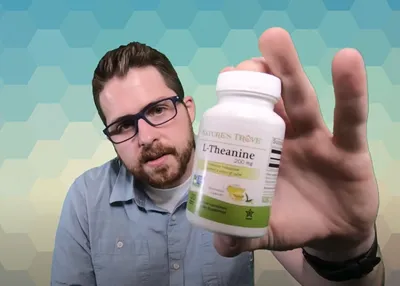
A clear look at what research suggests about L-theanine, where the evidence is still developing, and how to think about supplements safely.
Read the story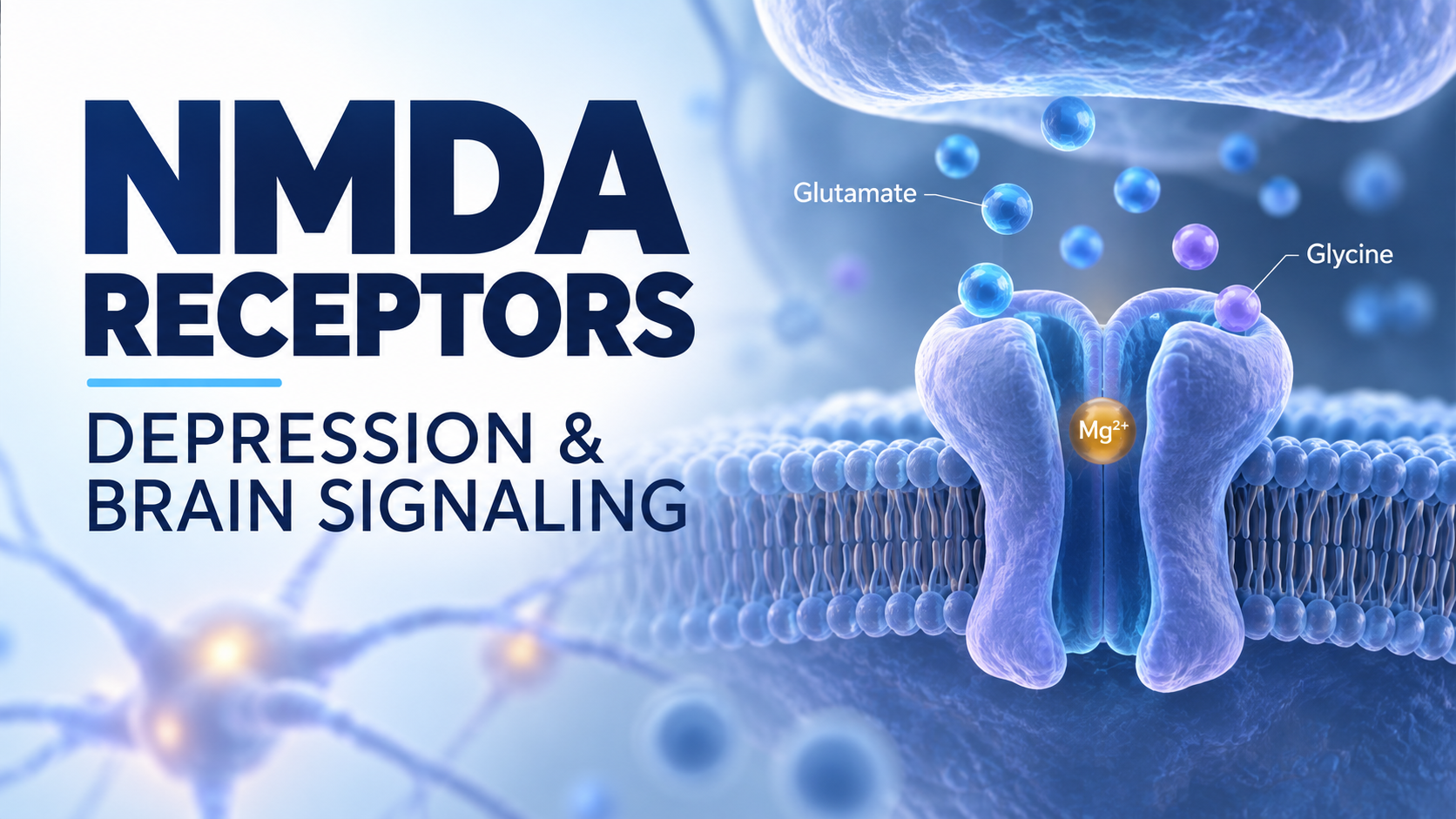
Current evidence is showing that the NMDA Receptor plays a role in the pathology of Major Depressive Disorder. Learn more about the new treatments.
Read the story
Find information and strategies to help you in getting through your mental illness. Learn from the personal experiences of others.
Read the story
What is Ginkgo Biloba?
Read the story
What is Reboxetine?
Read the story
What is Cyclobenzaprine?
Read the story
What is TMG (Trimethylglycine)?
Read the story
What is Atomoxetine?
Read the story
Introduction
Read the story
Introduction
Read the story
What is Prazosin?
Read the story
What is Xanax (Alprazolam)?
Read the story
What is Nardil?
Read the story
What is GABA?
Read the story
Arketamine is being studied as a possible fast-acting depression treatment. Here’s what the early research suggests—and what it has not shown yet.
Read the story
The nuances of dependence and addiction within the realm of substance use disorders are intricate and demand a comprehensive understanding for effective management and treatment. As a seasoned medical professional having...
Read the story
What is Ayahuasca?
Read the story
What is Agomelatine?
Read the story
Piribedil acts on dopamine receptors and is used for Parkinson’s disease in some countries. Could it help depression? Here’s what the limited research can—and can’t—tell us.
Read the story
What is it?
Read the story
GABA helps regulate signaling in the brain. Here’s what that means for anxiety and mood—and what the evidence does and doesn’t say about GABA supplements.
Read the story
Anxiety is a common and distressing condition that affects millions of people worldwide. It can interfere with daily functioning, social interactions, and overall well-being. While there are many treatments available for...
Read the story
The holiday season is supposed to be a time of joy, celebration, and gratitude, but for many people, it can also be a source of stress, anxiety, sadness, and loneliness.Especially for those who face mental health or subs...
Read the story
Gepirone: A New Option for Treating Depression
Read the story
Postpartum depression (PPD) is a serious mental health condition that affects some women after giving birth. It can cause feelings of sadness, anxiety, guilt, hopelessness, and difficulty bonding with the baby. It can al...
Read the story
Attachment patterns can shape how we seek closeness, handle conflict, and feel in relationships—but they are not a life sentence. Here’s a grounded way to understand them and build more secure connections.
Read the story
A clearer look at ginseng, sage, guarana, ashwagandha, and rhodiola—and what research can and cannot tell us about energy, focus, and safety.
Read the story
What is Vitamin D?
Read the story
Lurasidone is a medication that belongs to the class of atypical antipsychotics. It is used to treat schizophrenia and bipolar depression, which are mental disorders that affect a person’s mood, thoughts, and behavior. L...
Read the story
Have you ever felt so restless that you could not sit still or stop moving? If so, you may have experienced a condition called akathisia. Akathisia is a movement disorder that causes an uncontrollable urge to move, espec...
Read the story
Schizoaffective disorder and schizophrenia are two mental health conditions that share some common features, but also have important differences. Both disorders involve psychotic symptoms, such as hallucinations, delusio...
Read the story
Postpartum depression (PPD) is a serious and common mental health condition that affects many women after giving birth. PPD can cause persistent and severe symptoms of sadness, anxiety, guilt, and loss of interest in dai...
Read the story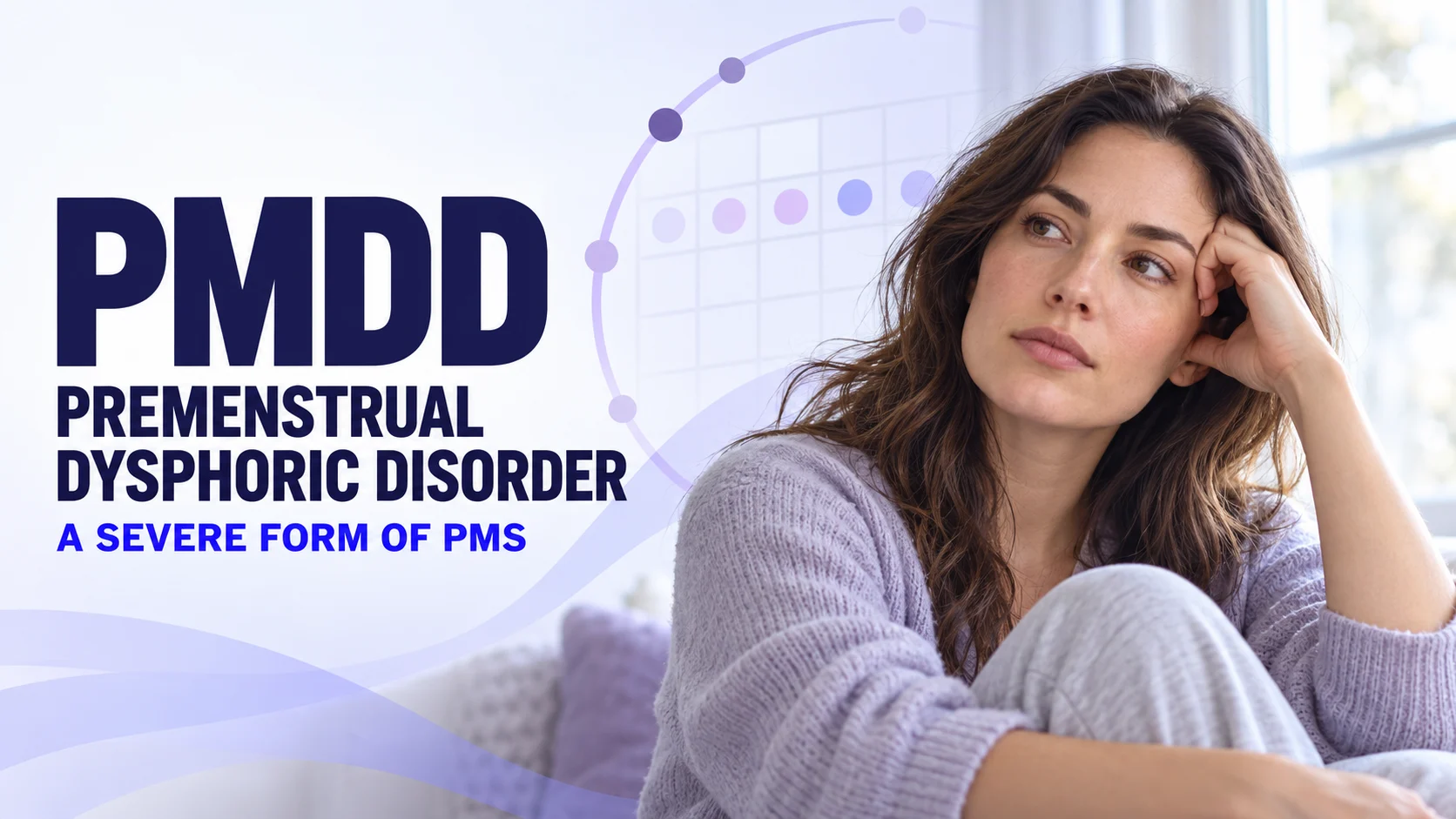
Many women experience some physical and emotional changes before their menstrual periods, such as bloating, mood swings, or food cravings. These are common symptoms of premenstrual syndrome (PMS), which usually do not in...
Read the story
Trauma is a psychological and emotional response to a distressing or life-threatening event, such as abuse, violence, war, natural disaster, or illness. Trauma can have lasting effects on your mental and physical health,...
Read the story
Melatonin is a hormone that your body produces naturally to regulate your sleep-wake cycle. It is also available as a supplement that can help with various sleep problems, such as insomnia, jet lag, and circadian rhythm ...
Read the story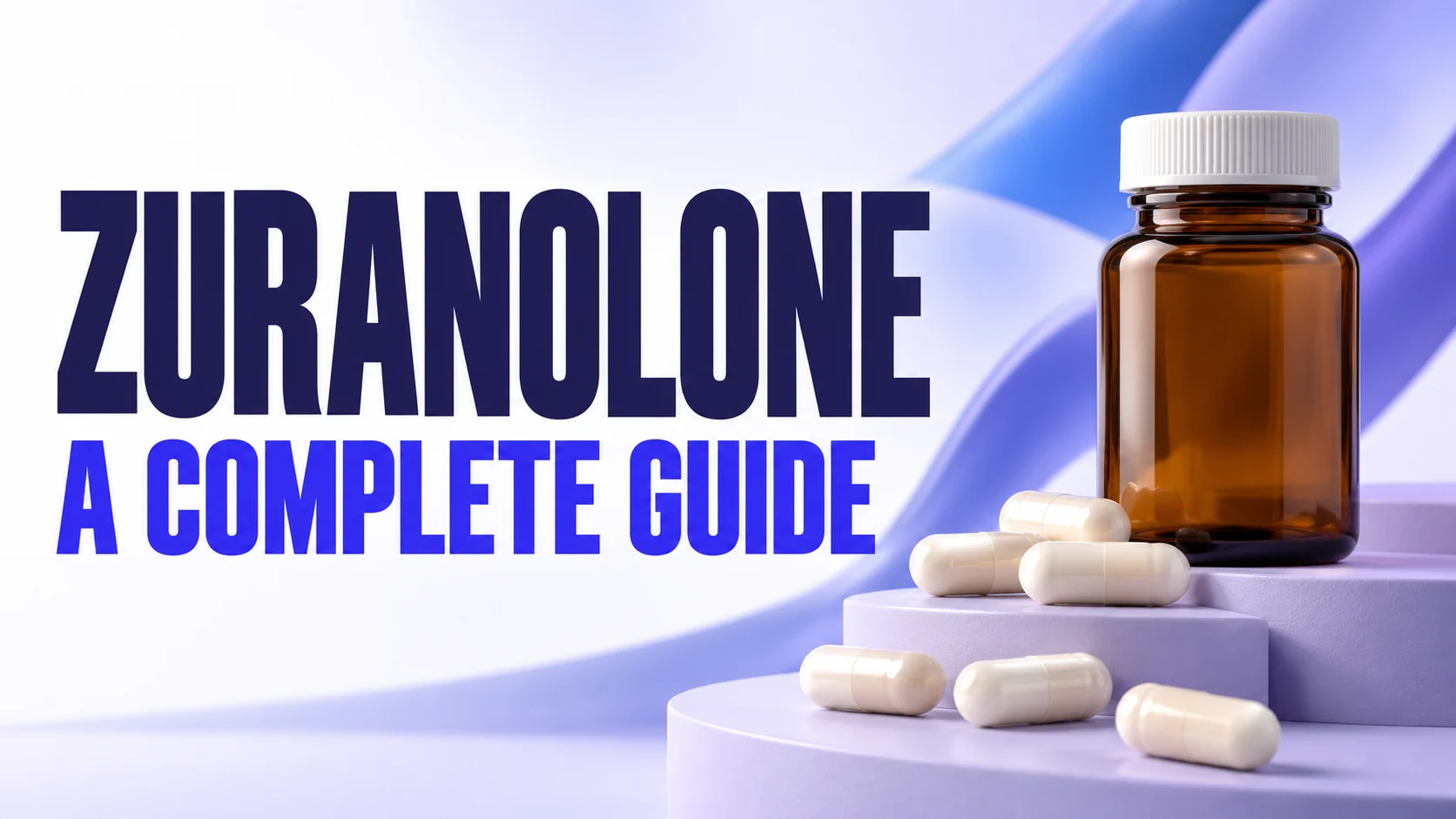
Zuranolone (INN; developmental code names SAGE-217, S-812217) is an investigational medication that is under development by Biogen and Sage Therapeutics for the treatment of major depressive disorder (MDD) and postpartum...
Read the story
Antidepressant: Number of Prescriptions:
Read the story
What Is Scopolamine?
Read the story
Antidepressants are medications that are used to treat various mental health conditions, such as depression, anxiety, obsessive-compulsive disorder, and post-traumatic stress disorder. Antidepressants work by affecting t...
Read the story
Geodon (Ziprasidone) is a prescription medication that belongs to a class of drugs called atypical antipsychotics. It is used to treat various mental health conditions, such as schizophrenia and bipolar disorder. In this...
Read the story
Zyprexa (Olanzapine) is a prescription medication that belongs to a class of drugs called atypical antipsychotics. It is used to treat various mental health conditions, such as schizophrenia, bipolar disorder, and depres...
Read the story
Music therapy is an evidence-based treatment that uses the power of music to improve a person's well-being. It can help with various mental health conditions, such as depression and anxiety, by reducing stress, improving...
Read the story
Seroquel, also known by its generic name quetiapine, is a medication that is primarily used to treat schizophrenia, bipolar disorder, and major depressive disorder.
Read the story
Risperdal, also known by its generic name risperidone, is a medication that is primarily used to treat schizophrenia, bipolar disorder, and irritability associated with autism.
Read the story
Lunesta, also known by its generic name eszopiclone, is a medication that is primarily used to treat insomnia. It belongs to a class of drugs called sedative-hypnotics, which work by enhancing the activity of a neurotran...
Read the story
Rexulti (Brexpiprazole) is a medication that is used to treat mental health conditions such as schizophrenia and depression. In this article, we will explore what Rexulti is, its history, mechanism of action, evidence fo...
Read the story
Understanding Doxepin: An Essential Tool in Psychiatric Treatment
Read the story
Remeron, also known as Mirtazapine, is a medication commonly used to treat depression and anxiety. In this article, we will discuss what Remeron is, its history, mechanism of action, evidence for use, side effects, and p...
Read the story
Are you looking for a natural way to boost your mental health? You may have heard of folic acid, a vitamin that is commonly used to prevent birth defects. But did you know that folic acid may also have benefits for your ...
Read the story
Anxiety is a common mental health condition that affects millions of people worldwide. While there are several medications available to treat anxiety, some people prefer to use natural remedies, such as valerian root. In...
Read the story
Mood stabilizers are medications that help control the mood swings that occur in some mental health conditions, such as bipolar disorder, schizoaffective disorder and borderline personality disorder. Mood swings can rang...
Read the story
Insomnia is a common sleep disorder that affects millions of people worldwide. People with insomnia have trouble falling asleep or staying asleep, or both. This can lead to daytime fatigue, impaired concentration, mood p...
Read the story
What is Pristiq (Desvenlafaxine)?
Read the story
What is Passionflower?
Read the story
What is Vraylar (Cariprazine)?
Read the story
What is SAMe? - SAMe for Depression
Read the story
What is St. John’s Wort? - St. John's Wort for Depression
Read the story
What is Psilocybin?
Read the story
What is Nitrous Oxide? - Nitrous Oxide for Depression
Read the story
What is Pramipexole?
Read the story
Memantine for Anxiety and Depression
Read the story
A clearer look at vilazodone's two serotonin actions, the evidence for depression and anxiety, and the practical details that matter when considering treatment.
Read the story
Why this muscle relaxant attracts interest for anxiety, what the human research actually measured, and the benefits and safety questions worth discussing.
Read the story