
From Anxious to Thriving: Understanding Stress, Fatigue, and Recovery
A clearer guide to persistent fatigue, anxiety, stress physiology, and the medical conditions that deserve evaluation.
In this article
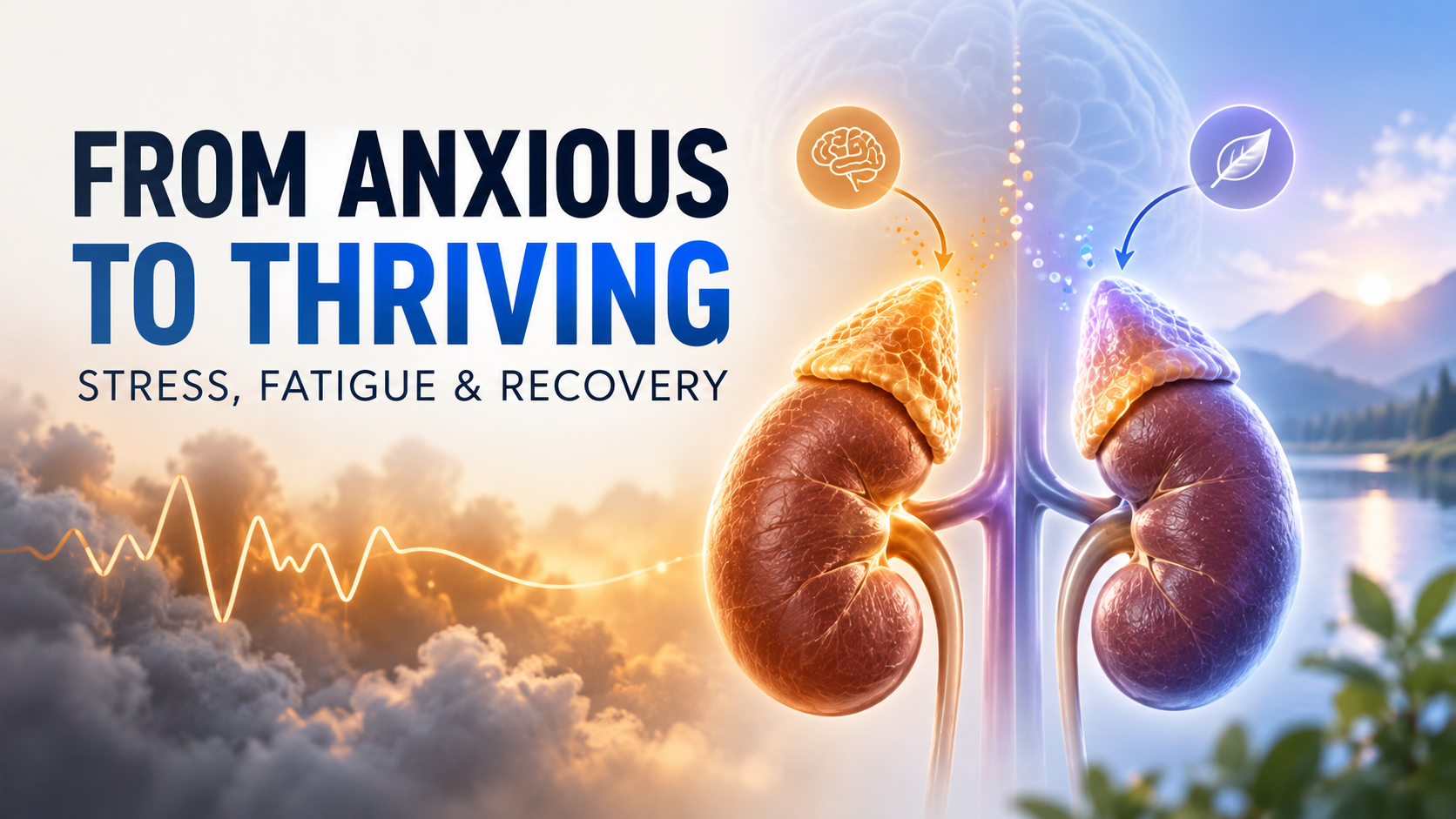
Feeling exhausted, wired, unrefreshed, or overwhelmed can make it seem as if your body has simply run out of reserve. Those symptoms are real, and recovery is possible—but the phrase “adrenal fatigue” can blur together several different issues that need different kinds of care.
Medical note: This article is general education, not individualized medical advice. Persistent fatigue, dizziness, fainting, unexplained weight change, severe weakness, or worsening depression deserves evaluation by a qualified clinician. Do not start hormones or stop prescribed medication based on an online article.
Chronic stress can affect sleep, concentration, appetite, muscle tension, mood, and energy. Anxiety can keep the body’s alarm system active, while poor sleep and low mood can make ordinary demands feel much harder. These patterns can improve when the underlying causes are identified and treated.
What People Mean by “Adrenal Fatigue”
“Adrenal fatigue” is often used to describe tiredness, brain fog, sleep disruption, cravings, and feeling unable to cope with stress. However, it is not a recognized medical diagnosis, and routine saliva or blood panels marketed to diagnose it do not reliably establish that the adrenal glands have stopped working.[1][2]
That does not mean the symptoms are imaginary. It means the symptoms can come from many treatable causes: insomnia, depression, anxiety, anemia, thyroid disease, medication effects, sleep apnea, infection, nutritional problems, or the demands of prolonged stress. A careful evaluation is more useful than assuming one explanation fits everyone.
The Adrenal Conditions That Are Real
The adrenal glands make hormones including cortisol and aldosterone. True adrenal insufficiency is uncommon but important. It can cause profound fatigue, muscle weakness, low blood pressure, dizziness, abdominal symptoms, weight loss, salt craving, and skin darkening. It requires medical testing and appropriate hormone replacement—not an over-the-counter “adrenal support” product.[3]
Seek urgent care for severe vomiting, confusion, fainting, extreme weakness, or symptoms of shock, particularly if you have known adrenal disease or recently stopped long-term steroid medication. These signs can represent an adrenal crisis.
How Anxiety and Stress Can Drain Your Energy
Anxiety often creates a cycle: threat-focused thoughts increase physical arousal, arousal disrupts sleep, poor sleep reduces emotional resilience, and the resulting fatigue makes worries feel even more convincing. Depression can add low motivation, slowed thinking, changes in appetite, and loss of interest.[4]
The hopeful part is that this cycle is changeable. Treating anxiety or depression, improving sleep, pacing demands, and rebuilding regular activity can gradually restore energy. Progress may begin with small changes rather than one dramatic intervention.
A Recovery Plan That Can Actually Help
Start with a medical review if fatigue is persistent, severe, or new. A clinician can review your history, medications, sleep, mood, nutrition, menstrual or reproductive health, and symptoms that may point toward thyroid disease, anemia, sleep apnea, or adrenal insufficiency.
At the same time, build a steady foundation: keep a consistent sleep and wake time, eat regular balanced meals, use gentle movement that does not cause a crash, reduce excess caffeine and alcohol, and practice one calming skill daily. Therapy—especially cognitive behavioral therapy—can help interrupt worry and avoidance. Medication may also be appropriate when anxiety, depression, or another condition calls for it.[5]
Avoid programs that promise to “reset” the adrenals through expensive testing, restrictive diets, or unregulated hormone products. Supplements can have side effects and interactions, and “natural” does not guarantee safety.
When to Reach Out
Make an appointment if fatigue lasts more than a few weeks, limits work or daily activities, or comes with major sleep changes, weight change, palpitations, persistent low mood, or anxiety. Seek immediate help for chest pain, fainting, severe shortness of breath, confusion, or thoughts of suicide.
You do not have to prove that your symptoms are caused by one named condition before asking for help. A clinician can help sort the possibilities, and a step-by-step plan can make recovery feel more manageable.
References
[1] Cadegiani FA, Kater CE. Adrenal fatigue does not exist: a systematic review. BMC Endocrine Disorders. 2016. DOI: 10.1186/s12902-016-0128-4.
[2] Endocrine Society. Adrenal Fatigue: What You Need to Know.
[3] National Institute of Diabetes and Digestive and Kidney Diseases. Adrenal Insufficiency & Addison’s Disease.
[4] National Institute of Mental Health. Depression and anxiety disorders.
[5] National Institute for Health and Care Excellence. Generalised anxiety disorder and panic disorder in adults: management.
Words worth knowing
Cognitive behavioral therapy (CBT)
A structured therapy that helps people notice patterns between thoughts, feelings, and actions, then practice more helpful responses.
Insomnia
A sleep disorder involving persistent difficulty falling asleep, staying asleep, or getting restorative sleep.

