
Breaking the Silence: Nathan Feuerstein's Mental Health Struggles
A careful look at what NF has shared about therapy, OCD, and turning difficult experiences into music.
In this article
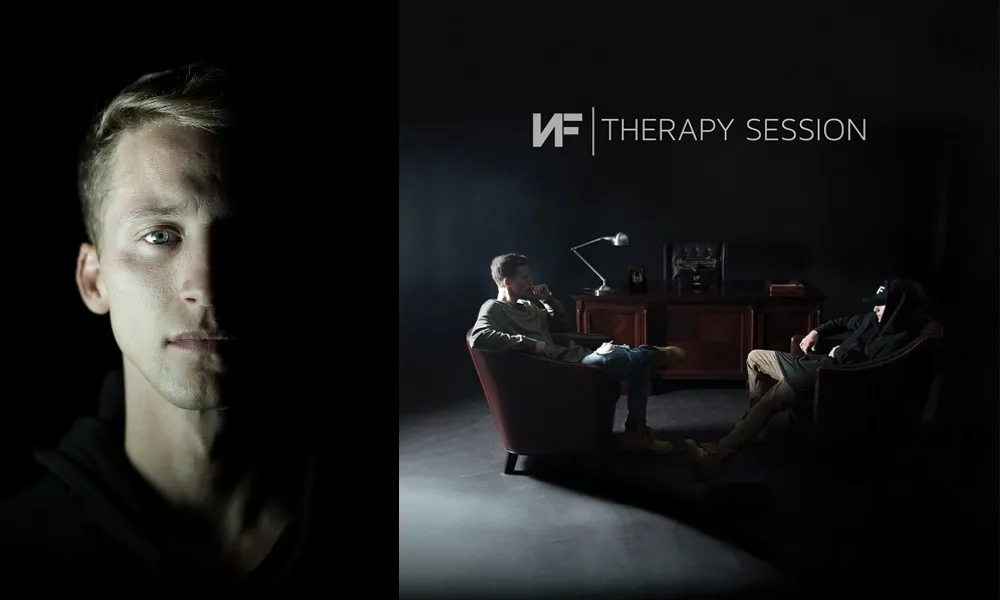
NF, born Nathan Feuerstein, has spoken publicly about seeking therapy after the Perception tour and later being diagnosed with obsessive-compulsive disorder (OCD). His interviews offer a personal account—not a complete clinical picture—and lyrics should not be treated as a diagnosis of him or anyone listening.¹
What NF has shared publicly
In a 2019 interview, NF described going through a period of serious emotional distress after touring and deciding to see a therapist. He also said he had received an OCD diagnosis. These are the details he chose to share; they do not give the public a full view of his health or private life.1
The role of music in his story
NF has described writing and recording as an outlet, while also explaining that OCD could make it harder to finish creative projects. In a later interview, he spoke about stepping back when he felt blocked rather than forcing himself to keep working.2
Creative work can help some people express difficult feelings or feel connected to others. That is a personal experience, though—not a substitute for mental-health care, and not everyone relates to art in the same way.
OCD is more than a preference for order
Obsessive-compulsive disorder involves recurring, unwanted thoughts or urges (obsessions) and/or repetitive behaviors or mental acts (compulsions). These experiences can be distressing, take up substantial time, and interfere with everyday life. OCD is not simply being neat, organized, or particular.3
Only a qualified professional can assess whether someone meets the criteria for OCD or another condition. A song, interview, or social-media post cannot establish a diagnosis.
Support and treatment are available
OCD is treatable, and people have options. Care may include cognitive behavioral therapy, including exposure and response prevention (ERP), medication, or a combination chosen with a clinician. The right approach depends on the person, their needs, and their preferences.34
If intrusive thoughts or rituals are causing distress or disrupting daily routines, talking with a mental-health professional is a reasonable next step. You do not need to be certain of a diagnosis before asking for an evaluation.
A public story can open a door
NF’s openness may help some listeners feel less alone or make it easier to start a conversation. It is also important to let his story remain his own: listeners can connect with a song without assuming they share the same diagnosis or circumstances.
If this topic feels familiar, you deserve support based on your own experience—not a comparison with a public figure. A clinician can help you understand what is happening and explore next steps. There are effective forms of care, and asking for help can be a meaningful place to begin.34
Words worth knowing
Cognitive behavioral therapy (CBT)
A structured therapy that helps people notice patterns between thoughts, feelings, and actions, then practice more helpful responses.

