
L-Theanine
A clear look at what research suggests about L-theanine, where the evidence is still developing, and how to think about supplements safely.
In this article
L-theanine is an amino acid found in tea and sold as a supplement. Early research offers encouraging signals for stress and as an add-on to depression treatment, but it is not yet a proven stand-alone treatment. That leaves room for curiosity without asking the evidence to promise more than it can.
What is L-theanine?
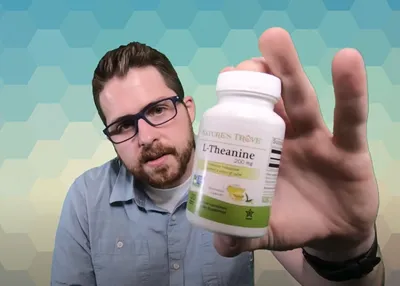
L-theanine is an amino acid naturally present in green and black tea. It is also sold in concentrated capsules and tablets, which can deliver amounts beyond what someone may get from a cup of tea. Evidence from supplement studies should not be treated as a guarantee about tea—or vice versa.²
Researchers are studying how L-theanine may influence brain signaling involved in attention and relaxation. These proposed mechanisms are interesting, but they do not by themselves show that a supplement treats an anxiety or depressive disorder.¹
What does research say about stress and anxiety?
There are reasons for cautious interest. A 2020 review of nine human randomized trials found that supplemental L-theanine, often studied at 200–400 mg per day, may help some people manage stress and anxiety symptoms in stressful situations. The reviewers also called for larger and longer studies.²
A newer review and meta-analysis of 31 randomized trials found a modest signal for short-term stress reduction, but that result was influenced by studies with a higher risk of bias. Across the available evidence, anxiety findings were inconsistent and generally did not show a reliable benefit. This is a mixed picture: early signals are worth studying, while the uncertainty still matters.¹
In a small four-week study of healthy adults, participants taking L-theanine showed improvements on some measures of stress, sleep, and cognitive function. The study involved only 30 people and was not a trial of treatment for a diagnosed anxiety disorder.³
What about depression?
One small randomized trial offers a hopeful early signal. Adults with major depression received sertraline plus either L-theanine or placebo for six weeks. Fifty of the 60 enrolled participants completed the study, and the L-theanine group showed greater improvement on the depression scale used by the researchers. Because both groups took sertraline, this tested L-theanine as an add-on—not as a replacement or stand-alone antidepressant. The small sample and short follow-up mean the result needs confirmation.⁴
A 2024 systematic review of trials in people with mental-health conditions reported possible benefits in some groups, while emphasizing the need for more research. The studies covered different diagnoses and treatment combinations, so they do not establish one dependable effect for everyone.⁵
Taken together, these findings give researchers a reason to keep studying L-theanine, including as a possible add-on in carefully selected situations. They do not show that it can replace psychotherapy, medication, or other established care for depression.
My experience with L-theanine
When I first wrote about L-theanine, I had been taking it for a few months after hearing about it from a family member. My experience was not dramatic. I was also using other supports, including fluoxetine, L-methylfolate, and magnesium, and I felt better overall—but I could not tell how much, if any, of that change came from L-theanine.
That distinction matters. A personal story can describe what one person noticed, but it cannot show what caused the change or predict what someone else will experience. My experience leaves me open to the possibility that it may help some people, while keeping my expectations realistic.
Food, supplements, and dose
L-theanine is found in tea, and supplements are sold in capsule and tablet form. Research trials have used different amounts and schedules; those study doses are not a personalized recommendation or an established dose for treating anxiety or depression. Product labels and quality can also vary.
If you are interested in a supplement, bring the exact product and dose to a qualified clinician or pharmacist. They can help you consider your health history, other medications, and how it might fit with your care.
Safety and what to discuss with a clinician
Short studies have not answered every question about long-term use. In the depression trial, reported side effects were similar between the L-theanine and placebo groups.⁴
Dietary supplements are not reviewed by the FDA for effectiveness before they are marketed, and product contents and quality can differ. Tell your prescriber or pharmacist about supplements you take, especially if you use prescription medication, have a health condition, or are pregnant or breastfeeding.⁶,⁷
Do not stop, reduce, or replace a prescribed medication because of supplement information or a positive personal story. If L-theanine interests you, it can be a starting point for a practical conversation about options—not a decision you have to make on your own.
Words worth knowing
Cognitive behavioral therapy (CBT)
A structured therapy that helps people notice patterns between thoughts, feelings, and actions, then practice more helpful responses.
Black box warning
The FDA’s most prominent medication warning, used when a medicine carries a serious or potentially life-threatening risk.
References
- [1] Cognitive and affective effects of L-theanine: systematic review and meta-analysis of 31 randomized trials (2026)
- [2] Williams et al. L-theanine for stress and anxiety: systematic review (2020)
- [3] Hidese et al. L-theanine and stress-related symptoms in healthy adults: randomized controlled trial (2019)
- [4] Shamabadi et al. L-theanine as an adjunct to sertraline for major depressive disorder: randomized controlled trial (2023)
- [5] Moshfeghinia et al. L-theanine supplementation in people with mental disorders: systematic review (2024)
- [6] NIH Office of Dietary Supplements. Background Information: Dietary Supplements
- [7] NIH National Center for Complementary and Integrative Health. Safe Use of Complementary Health Products

