
Escape Anxiety's Grasp with Valerian Root: The Ultimate Guide
Anxiety is a common mental health condition that affects millions of people worldwide. While there are several medications available to treat anxiety, some people prefer to use natural remedies, such as valerian root. In...
In this article
Anxiety is a common mental health condition that affects millions of people worldwide. While there are several medications available to treat anxiety, some people prefer to use natural remedies, such as valerian root. In this article, we will discuss what valerian root is, its history, mechanism of action, evidence for use, side effects, and pros and cons.
What is Valerian Root?
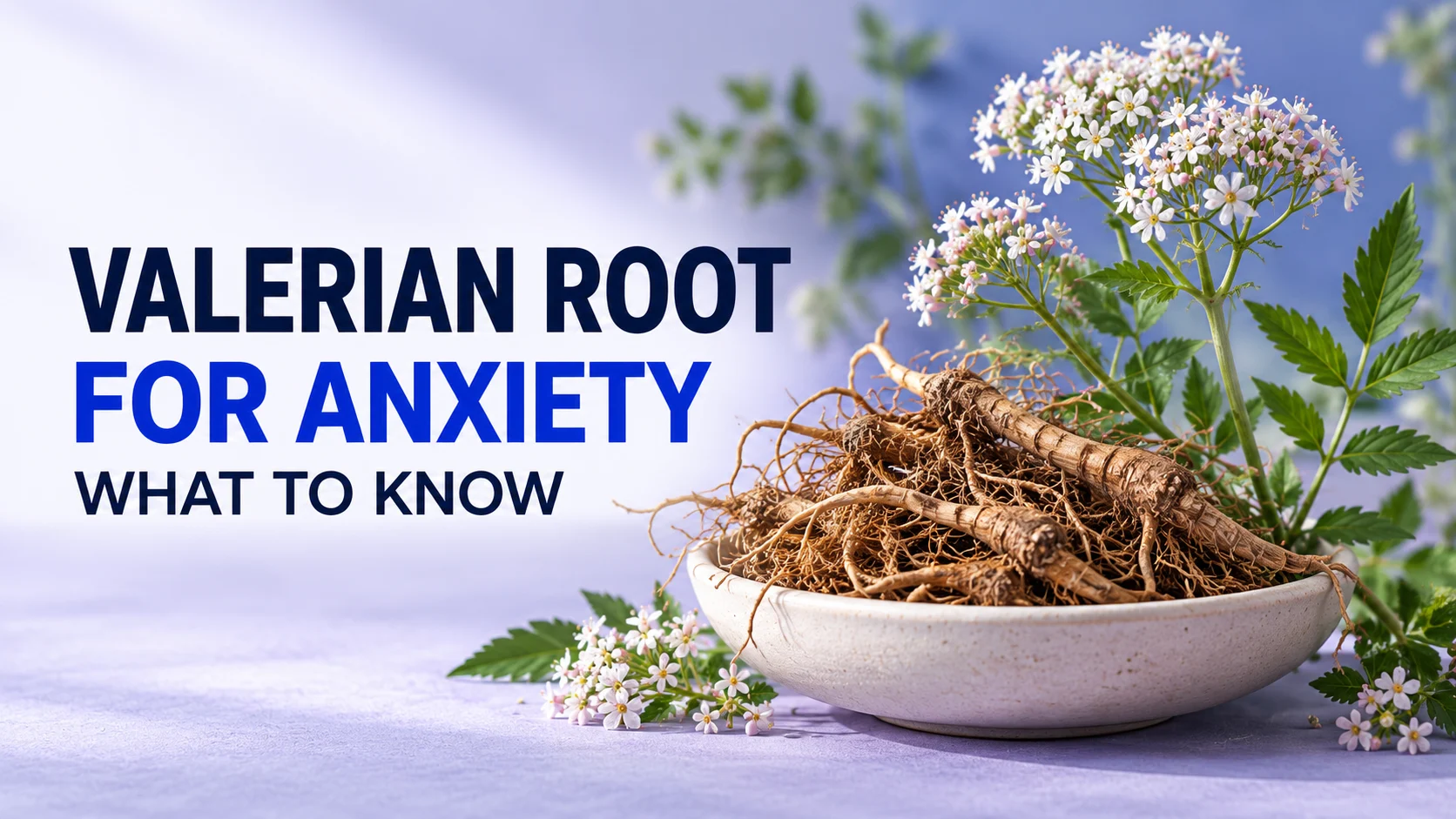
Valerian root is a natural herb that is commonly used to treat anxiety, insomnia, and other sleep-related disorders. The root of the valerian plant contains several compounds, including valerenic acid, which is believed to have a calming effect on the body.
History of Valerian Root
Valerian root has been used for centuries as a natural remedy for anxiety, insomnia, and other sleep-related disorders. The ancient Greeks and Romans used valerian root to treat nervousness, headaches, and other ailments. In the Middle Ages, valerian root was used as a remedy for the Black Death. Today, valerian root is commonly used as a natural remedy for anxiety and insomnia.
Mechanism of Action of Valerian Root
The exact mechanism of action of valerian root is not fully understood. However, it is believed that the compounds in valerian root, such as valerenic acid, interact with the GABA receptors in the brain. GABA is a neurotransmitter that has a calming effect on the nervous system, and valerian root is believed to enhance the effects of GABA, leading to a calming effect on the body.
Evidence for Use
There is some evidence to suggest that valerian root may be effective in treating anxiety. A 2010 study published in the Journal of Clinical Psychopharmacology found that valerian root was effective in reducing symptoms of anxiety in patients with generalized anxiety disorder. Another study published in the Journal of Ethnopharmacology found that valerian root was effective in reducing anxiety in mice.
Side Effects/ Adverse Reactions/ Contradictions
While valerian root is generally considered safe, it can cause side effects in some people. The most common side effects include headache, dizziness, upset stomach, and dry mouth. Valerian root can also cause drowsiness, so it is important to avoid driving or operating heavy machinery after taking valerian root. Additionally, valerian root may interact with certain medications, including sedatives and anti-anxiety medications.
Valerian root is contraindicated in pregnant and breastfeeding women, as well as in children under the age of three. It should also be used with caution in people with liver disease.
Positives or Pros of Valerian Root
Valerian root is a natural remedy that may be effective in treating anxiety. It is generally considered safe and does not have the same risk of addiction and dependence as some prescription medications. Additionally, valerian root may have other health benefits, such as improving sleep quality and reducing inflammation.
Negatives or Cons of Valerian Root
Valerian root can cause side effects, and it may interact with certain medications. It may also take several weeks of regular use to see the full effects of valerian root. Additionally, some people may not find valerian root to be effective in treating their anxiety.
In conclusion, valerian root is a natural remedy that may be effective in treating anxiety. While there is some evidence to support its use, it is important to speak with a healthcare professional before taking valerian root or any other natural remedy for anxiety. Additionally, it is important to be aware of the potential side effects and interactions with other medications.
The Anxious Resistance Take
We hope that this article has provided you with some useful information about valerian root and its potential benefits for anxiety. However, before taking valerian root or any other natural remedy for anxiety, it is important to consult with your healthcare professional and follow their advice. Additionally, it is important to be aware of the potential side effects and interactions with other medications. Valerian root is not a substitute for professional medical care, and it should be used as a complementary therapy, not a primary treatment. Thank you for reading this article, and we wish you all the best in your journey to overcome anxiety.
by Birk Gundersen, RN, BSN.
Words worth knowing
Insomnia
A sleep disorder involving persistent difficulty falling asleep, staying asleep, or getting restorative sleep.
Black box warning
The FDA’s most prominent medication warning, used when a medicine carries a serious or potentially life-threatening risk.

